Was gibt's heute? Planning the Week's Meals
Plan the week's meals, write the shopping list and shop on Saturday before everything closes.
Almost all shops in Germany are closed on Sundays, so the big shop happens on Saturday, and many people check the weekly offers in supermarket leaflets (Prospekte) first. Many households eat their warm meal at lunchtime and have a simple cold Abendbrot in the evening, with bread, cheese and vegetables. Don't forget your deposit bottles: you return them at a machine in the supermarket and get a voucher.
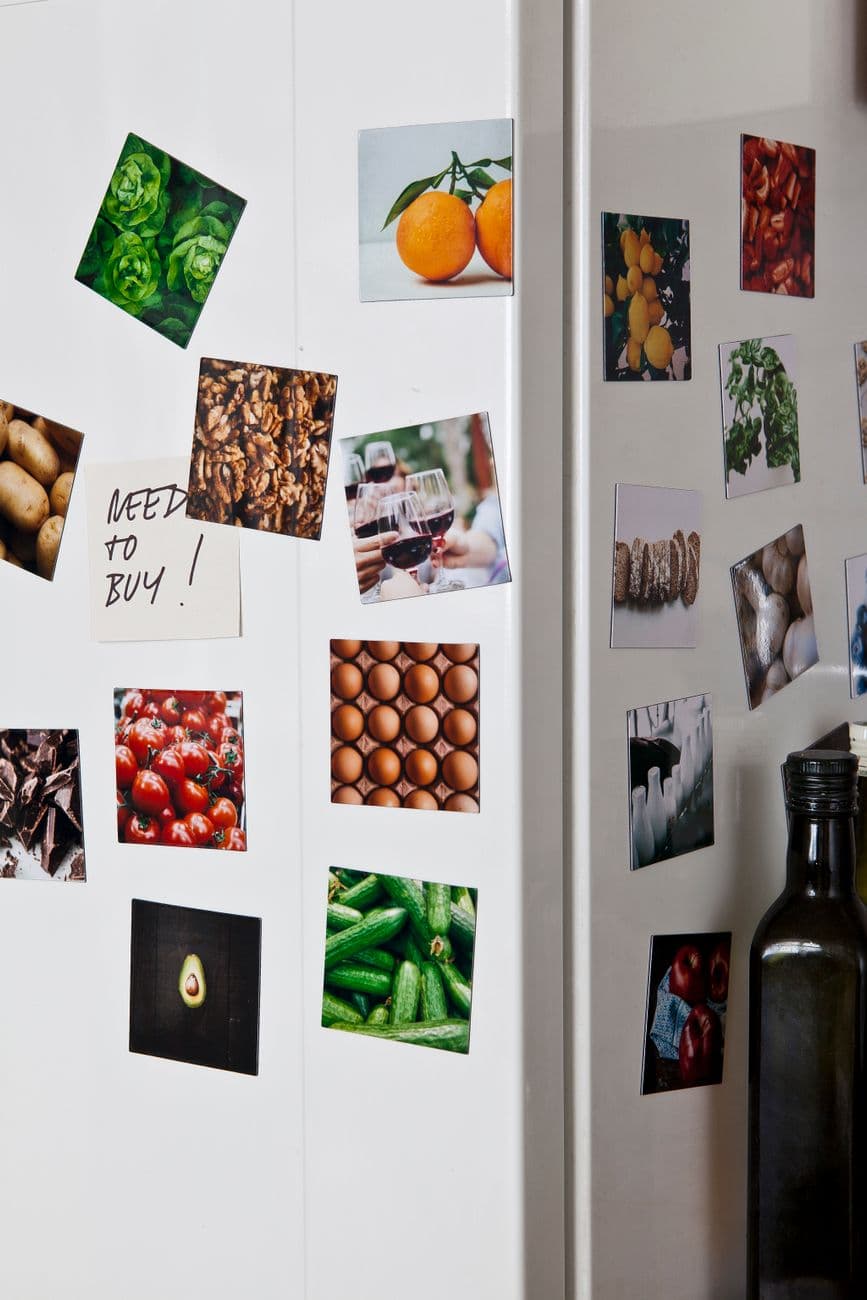
- 1
Was essen wir diese Woche?
What shall we eat this week?
- 2
Lass uns eine Einkaufsliste schreiben.
Let's write a shopping list.
- 3
Am Montag koche ich Nudeln mit Gemüse.
On Monday I'll cook pasta with vegetables.
- 4
Wir haben noch Reis.
We still have rice.
- 5
Wir haben keine Eier mehr.
We've run out of eggs.
- 6
Am Sonntag sind die Läden zu.
The shops are closed on Sunday.
- 7
Gehen wir am Samstag auf den Markt?
Shall we go to the market on Saturday?
- 8
Was ist diese Woche im Angebot?
What's on offer this week?
- 9
Den Rest können wir einfrieren.
We can freeze the rest.
- 10
Ich koche gleich für drei Tage vor.
I'll cook ahead for three days.
- 11
Am Mittwoch gibt es Reste.
On Wednesday we'll have leftovers.
- 12
Was gibt's heute zum Abendessen?
What's for dinner tonight?
- 13
Abends essen wir entweder Brot mit Käse oder Reste.
In the evening we have either bread and cheese or leftovers.
- 14
Ich esse kein Fleisch.
I don't eat meat.
- 15
Wie viel Obst brauchen wir?
How much fruit do we need?
- 16
Ein Kilo Kartoffeln und zwei Gurken.
A kilo of potatoes and two cucumbers.
- 17
Das ist zu teuer, wir nehmen lieber die günstigere.
That's too expensive, let's take the cheaper one.
- 18
Vergiss die Pfandflaschen nicht!
Don't forget the deposit bottles!
- 19
Kannst du das Hähnchen aus dem Gefrierfach holen?
Can you get the chicken out of the freezer?
- 20
Ich habe Lust auf Fisch.
I fancy fish.